

Why Australia is a Leader in Ethical Animal Care

Australia’s Ethical Policies
National Animal Welfare Framework
In Australia, the National Animal Welfare Framework plays a pivotal role in shaping policies that ensure animal welfare across the country. This framework underpins the ethical care of animals, incorporating comprehensive guidelines for not only domestic pets but also agricultural and wildlife. It guides local entities in setting standards that reflect our collective commitment to animal welfare. Living in and around areas like Perth, where outdoor spaces such as Cottesloe Beach provide abundant opportunities for pet exercise, reinforces the need for well-articulated welfare guidelines that locals can embrace doggy day care perth.
Stricter Legislation on Animal Rights
Stricter animal rights legislation in Australia has significantly improved conditions for animals. These laws are enforced to protect the welfare of pets and livestock alike, ensuring that they receive the care they need. Reputable doggy day care centres in regions like Geelong adhere to these legislative standards, providing peace of mind to pet owners like Liam looking for trustworthy care options doggy day care geelong. This adherence is crucial for maintaining high welfare standards and ensuring that animals are treated with the respect and care they deserve.
Government and NGO Collaborations
Collaborations between government bodies and NGOs are vital for promoting animal welfare. These partnerships advocate for better legislation and resource allocation, improving care quality across various settings, including boarding facilities in places like Wollongong. Such collaborations often lead to initiatives benefiting both animals and their caregivers, enhancing the welfare landscape dog boarding wollongong. By supporting these partnerships, we contribute to more informed and effective animal welfare strategies nationwide.
Innovative Animal Care Practices
Education and Training Initiatives
In Perth, maintaining a high standard in animal care starts with education. Community organisations often provide workshops that cover everything from basic pet first aid to advanced behavioural training. These initiatives aim to equip pet owners with the necessary skills to offer better care at home, especially for breeds like Border Collies, who require ample mental and physical stimulation. For those looking to expand their knowledge, places like the Perth Zoo offer inspiring programs, highlighting the symbiotic relationship between education and animal welfare.
Use of Technology in Monitoring
Embracing technology is key in today's animal care landscape. Innovations such as GPS trackers and health monitoring apps have made it significantly easier to keep tabs on your pet's activities and overall well-being. For residents in Canberra, accessing services like dog boarding canberra ensures their pets are safe and monitored by professionals who utilise these technological advancements. This not only provides peace of mind but also ensures the pets are getting the appropriate amount of exercise and social interaction.
Community Involvement Programs
Community involvement is pivotal in fostering a culture of responsible pet ownership. Many programmes encourage residents to participate in local clean-up days or educational events. These gatherings often double as social events for both pets and owners. In these settings, pets enjoy their time, similar to a day out at a trusted doggy day care ballarat. Engaging the community in these interactions not only strengthens local bonds but also enriches the lives of pets through socialization, mirroring the fun and camaraderie one would experience at Cottesloe Beach. By creating these supportive networks, we collectively ensure a thriving environment for our furry companions.
Wildlife Conservation Efforts
Protected Areas and Sanctuaries
Caring for wildlife in Australia is a commitment that provides essential support to our unique ecosystems. The establishment of protected areas and sanctuaries is one of the keystones of our wildlife conservation efforts. These designated places ensure that native species thrive in their natural habitats without the threat of human interference. For example, the dog-friendly parklands of Kings Park are a shining example of how urban spaces can meld seamlessly with efforts to preserve natural biodiversity. Guardians of these sanctuaries work diligently to monitor environmental health and manage native species populations, particularly those at risk.
Conservation Success Stories
Australia’s rich tapestry of wildlife is punctuated by success stories driven by dedicated conservation strategies. The recovery of species like the Western Swamp Tortoise showcases how concerted efforts, including habitat restoration and breeding programs, can lead to remarkable outcomes. Implementation of community-involved initiatives, such as citizen science projects, invites public participation in conserving wildlife and provides valuable data for researchers. Celebrating these successes fosters continued commitment to protecting our natural heritage.
Rehabilitation and Release Programs
Wildlife rehabilitation and release programs serve as lifelines for injured and displaced animals. Facilities scattered across the region offer care and rehabilitation to animals in need. Once recovered, they are released back into their wild habitats, ensuring the balance of ecosystems is maintained. The collaborative relationship between veterinary experts and dedicated volunteers is essential in these programs, enhancing the survival prospects of vulnerable species. These efforts, much like those found in doggy day care gold coast and pet sitting gold coast services, demand high-level care tailored to the unique needs of every animal.
Ethical Farming and Husbandry
Sustainable Farming Techniques
As a passionate animal caregiver in Perth, I find it essential to highlight the importance of sustainable farming techniques within Australia. These practices are pivotal not only for the environment but also for ensuring the welfare of farm animals. Sensible land management, water conservation, and reducing chemical usage can significantly improve animal health and the quality of produce. For anyone looking to support ethical farming, prioritising products from farms that implement crop rotations and integrated pest management can make a substantial difference.
Free-Range and Pasture-Based Systems
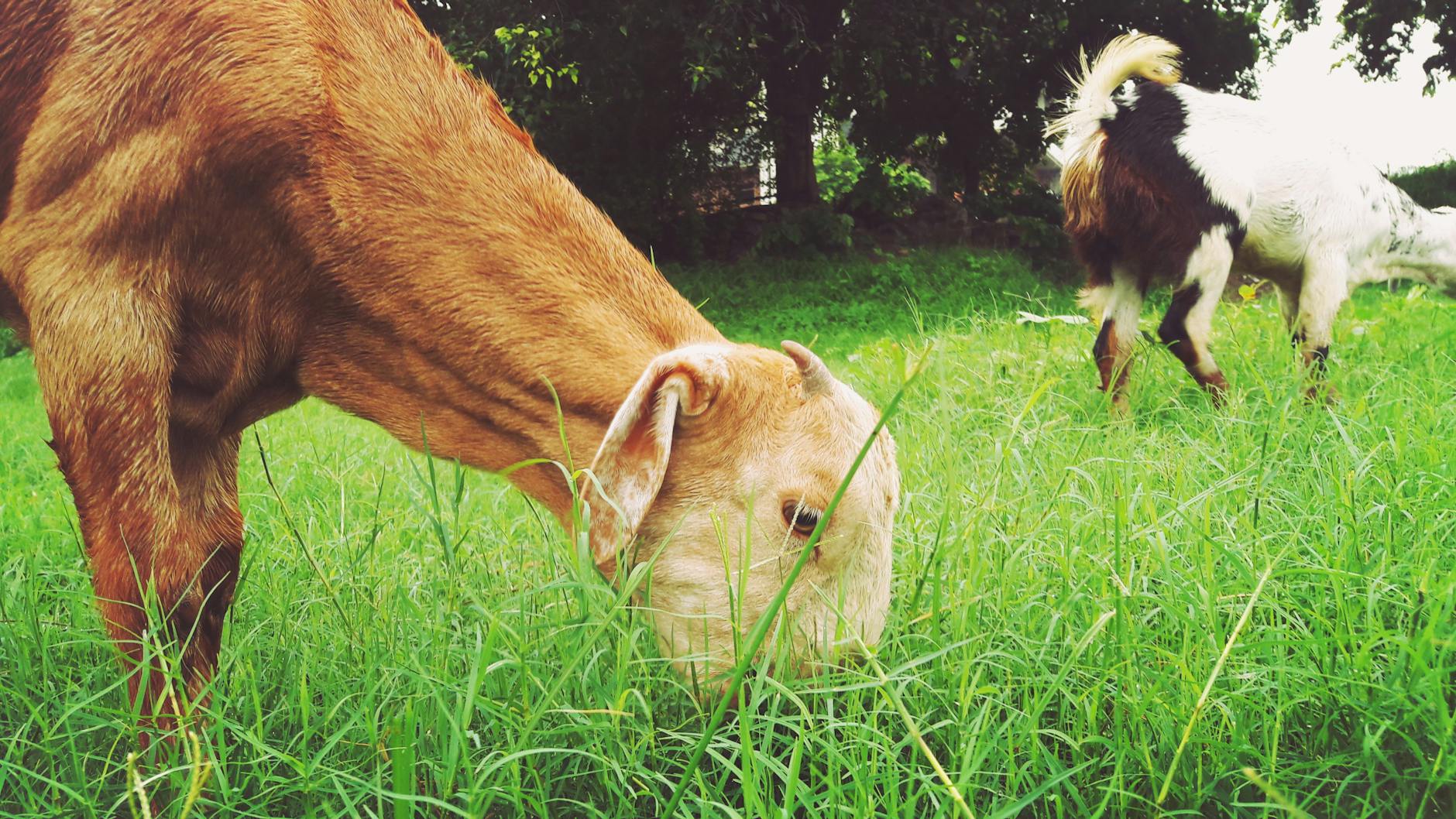
When exploring animal welfare, free-range and pasture-based systems stand out. These methods allow livestock to roam freely, which aligns with their natural behaviours and reduces stress-induced health issues. Considered a more humane way of farming, these systems often result in healthier animals and, subsequently, higher-quality produce. When looking for farm-fresh options in Blacktown or Adelaide, seek out establishments that champion these practices, as indicated by services like dog boarding blacktown and dog boarding adelaide.
Worker and Animal Welfare Integration
Another critical aspect encompasses both worker and animal welfare. Ethical farming practices should ensure that farm workers operate in safe and fair conditions alongside animals raised with respect. A well-integrated system reflects robust policies that protect the rights and well-being of both humans and animals involved in the farming process. These principles lead to a more harmonious and efficient farming environment. Overall, trust in local producers who value both the welfare of their animals and the working conditions of their employees is crucial for ethical consumption.
Challenges in Animal Care
Economic Interests vs. Animal Welfare
In Perth, our commitment to animal welfare can sometimes feel like a tug-of-war with economic interests. As much as we'd love to see every four-legged friend frolicking freely, the financial demands of maintaining ethical standards in farms and zoos often pull heavily on resources. Take the incredible Perth Zoo, for example. It requires ongoing investments to meet both operational needs and the welfare standards set under Australia’s national guidelines. It’s a delicate balance, but with the support of communities and responsible funding, we can ensure that animal care remains a priority even amidst fiscal challenges.
Disaster Management and Emergency Response
Living in Australia, we're no strangers to natural disasters, and these events pose significant threats to our beloved animal companions. From the sweeping forests down south to the iconic Kings Park, our urban and rural landscapes demand effective disaster management strategies. Preparing an emergency checklist for pets and investing in up-to-date technology for wildlife monitoring during emergencies are just a few ways we can improve outcomes. Whether it's safeguarding the habitats of wildlife or ensuring your pet's safety in times of bushfires, preparedness could make all the difference.
Climate Change Adaptation
Climate change is an ever-looming threat, but here in Perth, there's a growing sense of urgency to address its impacts on our animals. Whether it's exploring sustainable practices at Cottesloe Beach to protect marine life or adjusting farming approaches to suit new climate patterns, we need to adapt. For example, shifting toward sustainable farming techniques like regenerative agriculture can help both the environment and animal populations thrive. By championing these methods, we can support our stunning biodiversity while nurturing the planet that supports us all.